About ISO Training
ISO Training refers to structured educational programs designed to teach individuals and organizations how to implement, manage, and audit ISO standards. These standards, such as ISO 9001 (quality management), ISO 14001 (environmental management), ISO 45001 (occupational health and safety), and ISO 27001 (information security), establish benchmarks for consistency and performance across industries. The core objective of ISO Training is to ensure participants can apply these standards effectively, maintain compliance, and foster continuous improvement within their organizations.
ISO Training is tailored to various roles, from employees needing basic awareness to auditors responsible for compliance verification. It is delivered through flexible formats, including online courses, in-person workshops, and hybrid models, making it accessible to professionals worldwide. The training covers the principles, requirements, and practical application of ISO standards, customized to specific sectors. For example, ISO 9001 training focuses on quality processes to enhance customer satisfaction, while ISO 45001 training emphasizes workplace safety to reduce risks.
By investing in ISO Training, organizations can streamline operations, meet regulatory requirements, and build trust with stakeholders. For individuals, it offers certifications that enhance career prospects, making ISO Training a strategic asset for both personal and organizational growth.
Advantages of ISO Training
ISO Training delivers significant benefits that transform organizational performance and individual expertise. Here are the key advantages:
- Enhanced Reputation: ISO certification, supported by trained staff, signals a commitment to quality and reliability. ISO Training ensures employees can uphold these standards, boosting trust among clients and partners.
- Optimized Operations: Training equips teams to identify inefficiencies, streamline workflows, and reduce costs. For instance, ISO 9001 training helps organizations improve productivity by refining quality management processes.
- Regulatory Compliance: Many industries require ISO compliance to meet legal or client expectations. ISO Training ensures organizations understand and adhere to these standards, avoiding penalties and maintaining market access.
- Career Opportunities: Professionals completing ISO Training, particularly auditor certifications, gain in-demand skills, opening doors to roles in quality assurance, compliance, and consulting.
- Risk Mitigation: Training promotes proactive risk management. ISO 45001 training minimizes workplace incidents, while ISO 27001 training strengthens data security, protecting against cyber threats.
- Customer Satisfaction: Aligning with ISO standards ensures consistent, high-quality products and services. ISO Training fosters customer-focused practices, driving loyalty and retention.
- Global Competitiveness: ISO standards are universally recognized, and ISO Training enables organizations to maintain consistency across international operations, strengthening their market position.
These benefits make ISO Training a vital investment for sustainable growth and professional development.
Internal Auditor Training
Internal Auditor Training is a core component of ISO Training, designed for professionals tasked with evaluating an organization’s compliance with ISO standards. This training equips participants with the skills to plan, conduct, and report on internal audits, identifying gaps and recommending corrective actions to ensure ongoing compliance.
The training focuses on the specific ISO standard, such as ISO 9001 or ISO 14001, and covers audit techniques, risk-based auditing, and non-conformity resolution. Practical exercises, like mock audits, provide hands-on experience, enabling auditors to assess processes objectively and contribute to organizational improvement.
Benefits of Internal Auditor Training include:
- Proactive Compliance: Trained auditors identify issues before external audits, ensuring smooth certification processes.
- Cost Efficiency: Early detection of non-conformities reduces the risk of penalties or rework.
- Process Optimization: Auditors provide insights that enhance efficiency and align operations with best practices.
This training is ideal for quality managers, compliance officers, and professionals maintaining ISO certification. It fosters accountability and drives continuous improvement within organizations.
Lead Auditor Training
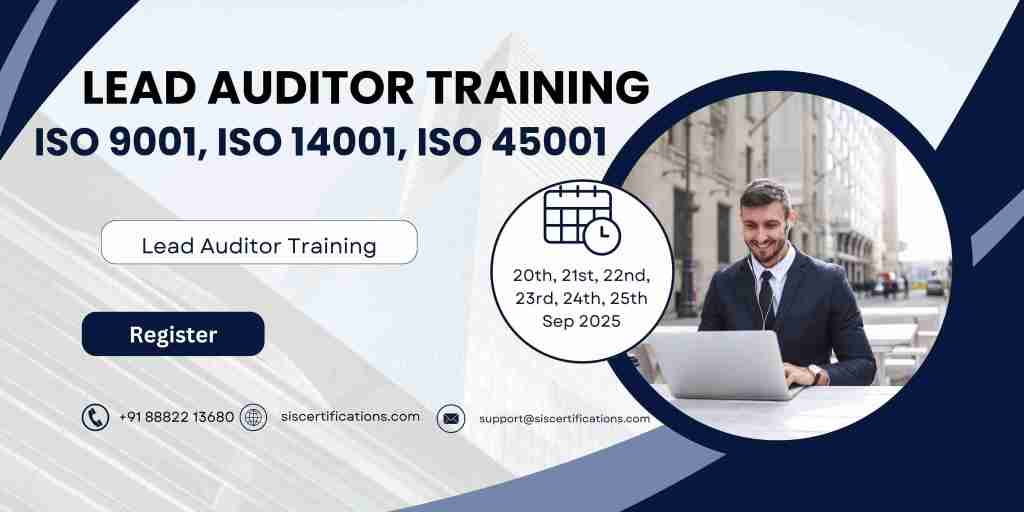
Lead Auditor Training is an advanced ISO Training program for professionals aiming to lead audit teams or conduct external audits for certification bodies. This comprehensive training builds on internal auditing skills, emphasizing leadership, audit program management, and stakeholder communication.
Participants learn to develop audit strategies, coordinate teams, and present findings to senior management. The training also addresses complex scenarios, such as managing non-conformities and resolving audit disputes. Leadership and problem-solving skills are prioritized to prepare participants for high-responsibility roles.
Key benefits of Lead Auditor Training include:
- Career Advancement: Certified lead auditors are highly sought after for roles in quality management, compliance, and consulting.
- Deep Expertise: The training provides comprehensive knowledge of ISO standards, enabling auditors to handle diverse audits.
- Global Recognition: Certifications like IRCA are respected worldwide, offering opportunities to work internationally.
This training is suited for experienced professionals seeking leadership roles in auditing. It requires dedication but delivers significant rewards in credibility and opportunity.
ISO Awareness Training
ISO Awareness Training is designed to provide employees at all levels with a foundational understanding of ISO standards and their role in compliance. Unlike auditor training, this program focuses on awareness rather than technical expertise, making it accessible to all staff.
The training covers the essentials of ISO standards, their benefits, and how employees can contribute to implementation. For example, ISO 9001 Awareness Training explains quality management principles, while ISO 45001 Awareness Training highlights workplace safety practices. The sessions are concise, engaging, and tailored to the organization’s needs.
Benefits of ISO Awareness Training include:
- Workforce Engagement: Educating employees fosters ownership and alignment with organizational goals.
- Consistent Compliance: Awareness ensures all staff understand their role in maintaining ISO standards, promoting uniformity.
- Cost-Effective: This training is less intensive, making it an efficient way to involve the entire workforce.
ISO Awareness Training is crucial for organizations pursuing or maintaining certification, ensuring everyone contributes to a culture of quality and compliance.
FAQs
1. What is the purpose of ISO Training?
ISO Training educates individuals on implementing and maintaining ISO standards to improve quality, safety, and efficiency, driving compliance and competitiveness.
2. Who should pursue ISO Training?
Employees, managers, auditors, and business owners seeking to enhance compliance, efficiency, or career prospects benefit from ISO Training.
3. How long does ISO Training take?
Awareness training takes a few hours, Internal Auditor Training lasts 2–3 days, and Lead Auditor Training spans 5 days or more, depending on the program.
4. Is ISO Training available online?
Yes, many providers offer flexible online ISO Training courses, including awareness, internal, and lead auditor programs.
5. What’s the difference between Internal and Lead Auditor Training?
Internal Auditor Training focuses on conducting internal audits within an organization, while Lead Auditor Training prepares professionals to lead teams and perform external audits.
6. How often should ISO Training be updated?
Awareness training is typically a one-time requirement with periodic refreshers. Auditors may need regular training to stay updated on standard revisions or maintain certifications.
Conclusion
ISO Training is a transformative tool for organizations and professionals striving to achieve global standards and drive excellence. By equipping teams with the skills to implement and audit ISO standards, it enhances efficiency, compliance, and credibility. Whether through Internal Auditor Training for compliance, Lead Auditor Training for leadership, or ISO Awareness Training for workforce alignment, these programs empower organizations to excel in competitive markets and professionals to advance their careers. ISO Training is more than a pathway to certification—it’s a commitment to quality, sustainability, and continuous improvement. Start your ISO Training journey today to unlock new opportunities for success and growth.
 ISO Certification - Movie
Leave a comment